
无间道二
“国宝第一市”山西运城发力文商融合 变流量为增量_我的网站

A |
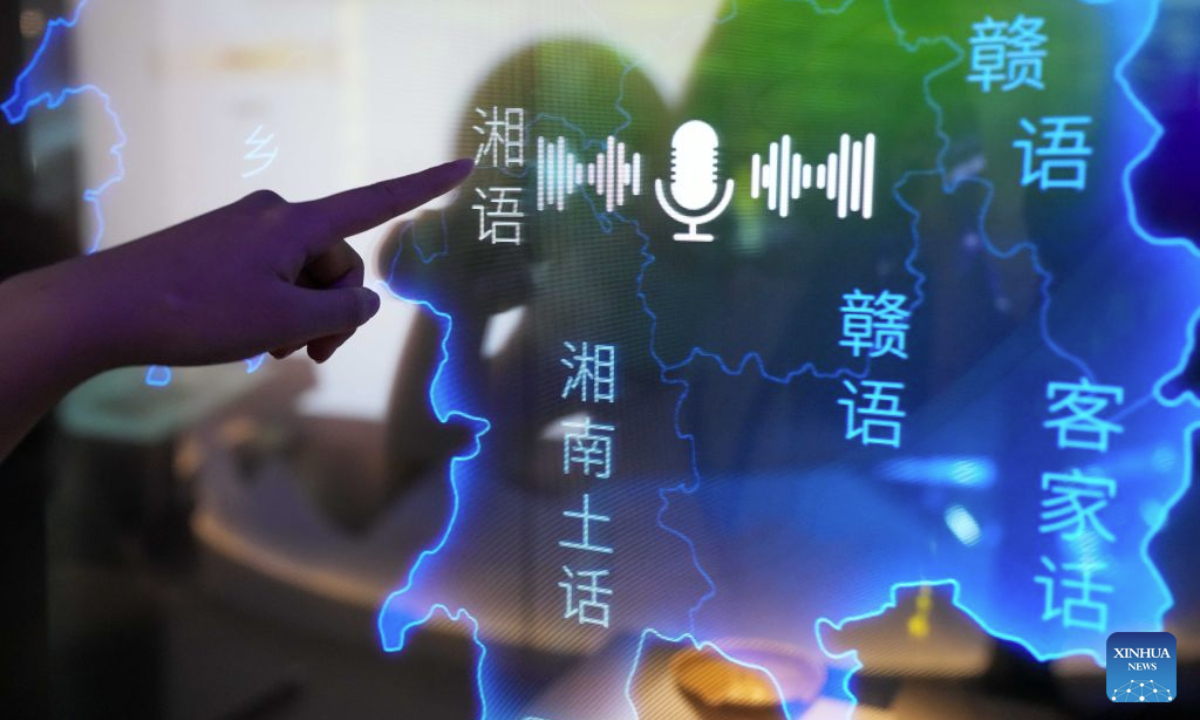
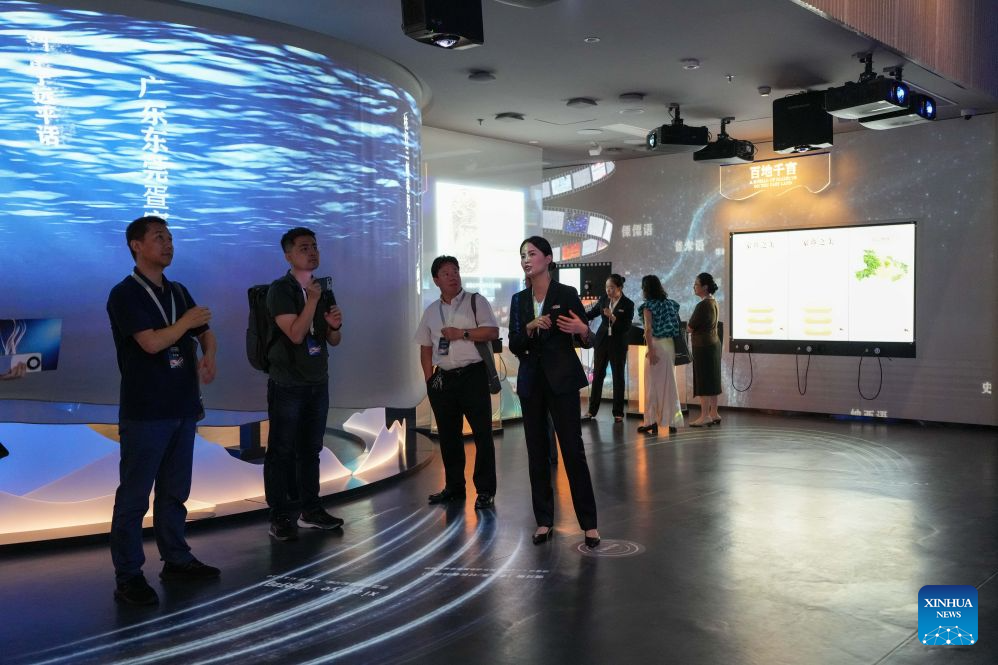
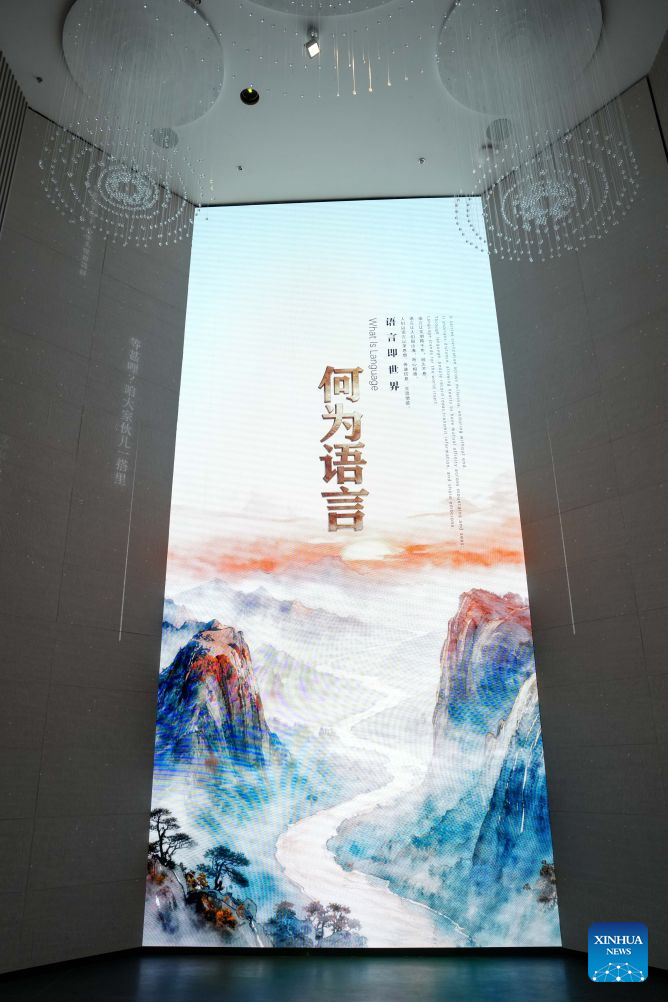
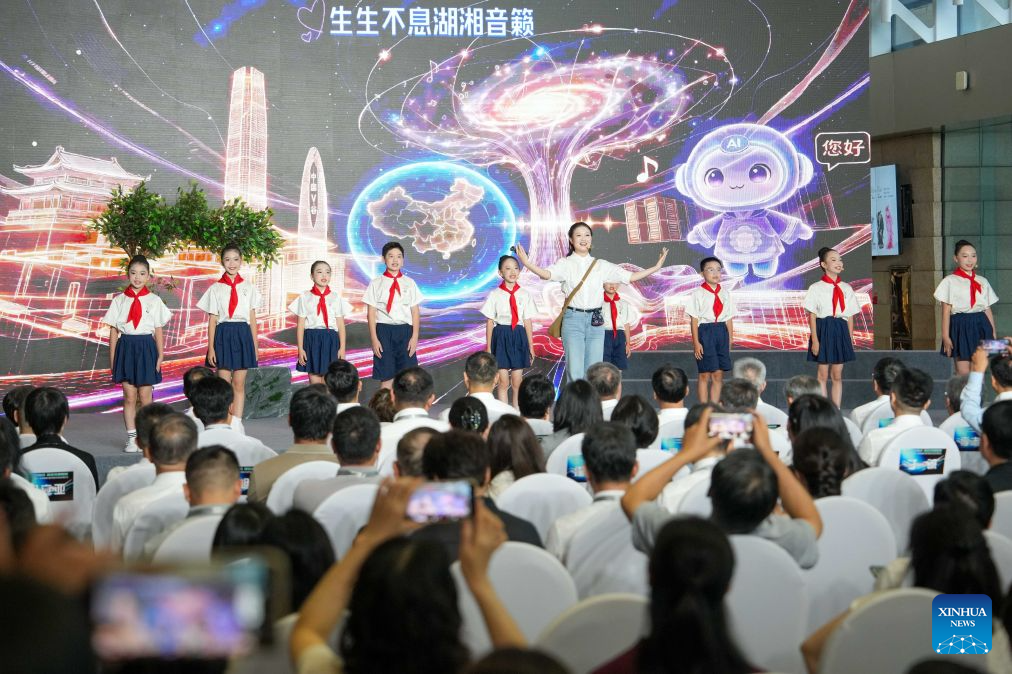
The Exhibition Hall of the Project for the Protection of Language Resources of China opened Monday in Changsha, capital of central China's Hunan Province, bringing decade-long efforts to document languages and dialects to the public through digital and interactive displays.
Located in the Hunan Museum, the exhibition brings together recordings and other language materials collected from more than 1,800 field survey sites across China. More than 30 language-related cultural relics are also on display.
The recordings represent 10 major Chinese dialects and more than 100 ethnic minority languages, including Mongolian, Tibetan, Uygur and Zhuang, said Chen Xuliang, deputy Party secretary of the Hunan Museum.
"Digital technology is helping bring the results of language preservation research out of databases and into public cultural spaces," he said.
The exhibition draws on materials collected through a national language preservation project launched in 2015 to document and preserve the country's diverse languages and dialects. It is the world's largest project of its kind, according to experts.
Over the past decade, researchers have traveled to remote mountain villages and pastoral areas to find native speakers of different ages. They systematically recorded words, grammatical examples, oral traditions and other language materials, turning oral memories at risk of disappearing in digital records that can be preserved for generations.
The work has become increasingly urgent as the number of native speakers of some languages declines.
China is home to more than 100 languages and numerous dialects. Some languages, including Hezhen and Manchu, now have fewer than 100 speakers.
Economic integration, population mobility and the social changes they bring are making it increasingly difficult to preserve languages and cultural traditions around the world, said Wang Lining, a professor at Beijing Normal University's School of Chinese Language and Literature and a participant in the language preservation project.
Many languages lack well-developed writing systems, Wang said, meaning knowledge and memories passed down orally can be lost when their speakers die.
The new exhibition aims to bring such preservation work closer to the public. It also promotes the principles of the "Yuelu Proclamation," which was officially released in 2019 and described as UNESCO's first permanent document themed on the protection of linguistic diversity.
Experts attending the exhibition's opening said a key challenge is how to use artificial intelligence and digital museum technologies to turn vast collections of field recordings into cultural experiences the public can engage with.
For Wang, documenting endangered languages is only the beginning.
"In the past, the focus was on recording endangered languages and preserving samples of their voices," she said. "In the future, preservation needs to move toward keeping languages alive."
The exhibition hall, Wang said, is part of that shift, taking language resources beyond academic research and bringing them closer to everyday life.
。 中新网太原8月26日电 (记者 李庭耀)“‘十五五’时期,我们将继续紧扣‘文商融合旅游热点门户’定位,把文旅流量转化为产业富民的增量。”山西省运城市副市长张锐25日表示。 运城被称作“国宝第一市”,关公文化、永乐宫壁画、运城盐湖等IP热度持续攀升。张锐介绍,“十四五”期间,运城文旅产业蓬勃发展,“国宝第一市”品牌影响力持续提升,接待人数、门票收入、综合收入年均增长都超过20%。今年春节,运城入境游增速175%,跻身全国前十;“五一”期间,运城抖音团购销售额增幅在全国三线及以下城市排名第一。 图为运城市解州关帝庙崇宁殿。 李庭耀 摄 “以文引流,让国保‘活’起来。

B | ”张锐表示,运城将系统构建关公文化、池盐文化、黄河文化、根祖文化矩阵,创建国家文物保护利用示范区,加快绛州古城保护修复,推动西阴考古博物馆、永乐宫壁画博物馆建设,实施“国保开门”工程,让文化软实力成为产业硬支撑。 同时,运城将创建盐湖国家级旅游度假区,加快七彩盐湖、22号堤埝等核心节点提升,让“死海”变“活景”;以关公故里创建5A级景区为牵引,建设世界级关公文化体验胜地;支持鹳雀楼、永乐宫、绛州古城等重点景区提档升级,形成“龙头带动、全域支撑”新格局。 坚持以商增值,让游客“留下来”。运城将大力发展赛事经济、微短剧经济,推出“跟着赛事去旅行”“跟着短剧去旅行”系列活动。做强“运城礼物”文创品牌,培育“首店、首秀、首演”,打造更多国货潮品,让游客把“国宝第一市”的故事带回家。

C | 张锐介绍,运城将推动文旅与科技、工业、康养、体育、教育深度融合,运用AR/VR打造沉浸式体验;发展露营经济、后备箱集市等新场景,吸引年轻客群,让运城成为人们向往的“好运之城”。(完)返回,查看更多。

D |
Current article:http://2r9zs.aiwengchuanzuodahuai.shop/wk4439r/eq1yr.html
Published on:10:40:34